
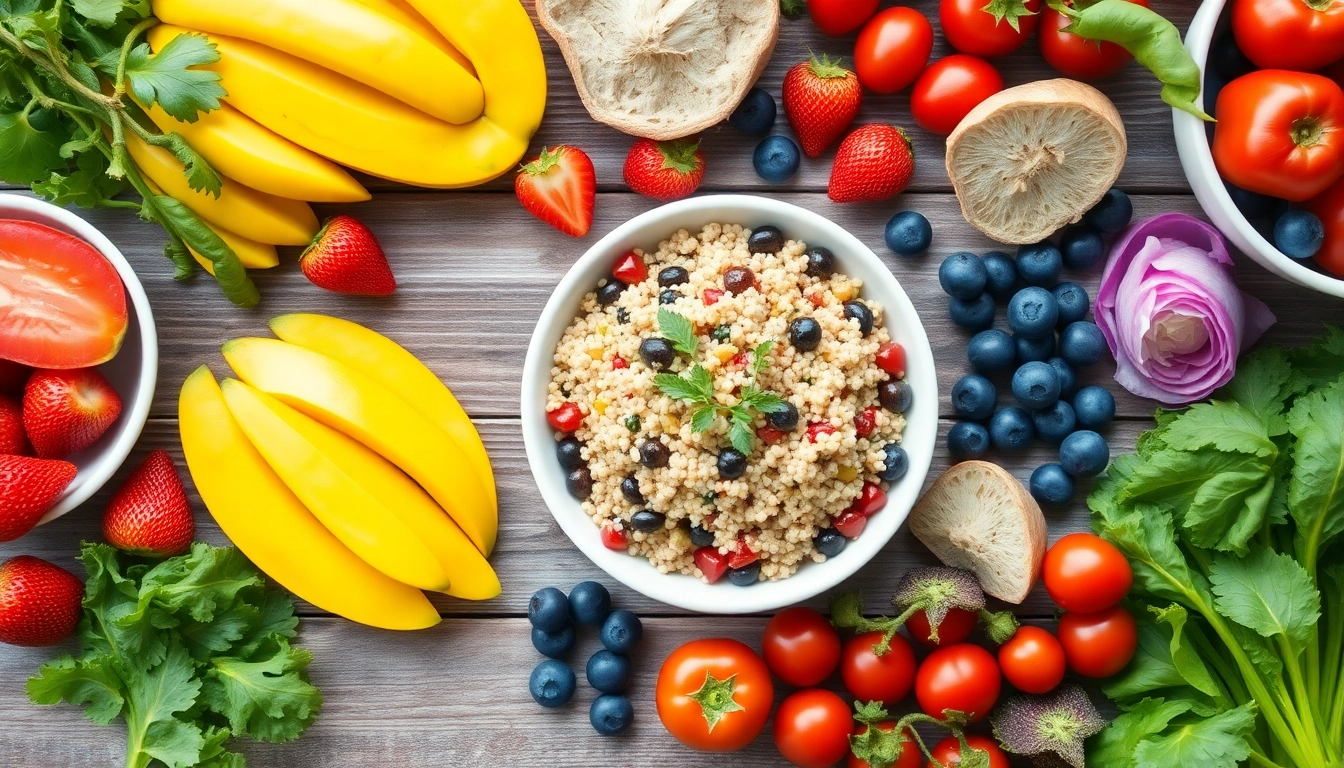
Understanding Healthy Food Choices
What Defines Healthy Food?
Healthy food is often described as a collection of nutrients that help maintain or improve overall health. It encompasses a diverse range of items from fruits and vegetables to whole grains, lean proteins, and healthy fats. But what truly defines healthy food goes beyond just nutritional content; it includes how these foods are prepared and consumed within the context of a balanced diet.
At the core, healthy foods should be nutrient-dense, meaning they provide a significant amount of vitamins and minerals while containing relatively few calories. Being cautious of added sugars, unhealthy fats, and sodium is critical as well. Foods that fall under the 'healthy' umbrella include:
- Fruits and Vegetables: Brightly colored produce contains essential vitamins and phytonutrients.
- Whole Grains: Foods like quinoa and brown rice provide fiber and B vitamins.
- Lean Proteins: Options such as chicken, fish, beans, and legumes support muscle repair and immune function.
- Healthy Fats: Nuts, avocados, and olive oil can improve heart health when consumed in moderation.
This classification is supported by various health authorities and organizations that advocate for a diet rich in these categories, emphasizing the importance of a healthy food variety in daily meals.
The Importance of Nutrient Density
Nutrient density is a key concept in healthy eating. It refers to the amount of essential nutrients a food contains relative to its caloric content. High-nutrient, low-calorie foods give you more nourishment without excessive calories, which is essential for maintaining a healthy weight and robust health.
For example, dark leafy greens like spinach and kale are low in calories but rich in vitamins A, C, and K, as well as minerals like calcium and iron. In contrast, potato chips, though energy-dense, provide almost no essential nutrients. When planning your diet, focusing on nutrient-dense options should be a priority.
Dietary guidelines suggest that half of your plate should consist of fruits and vegetables, further underscoring the role of nutrient density in crafting a balanced meal. Incorporating diverse foods not only enhances nutrient intake but also keeps meals interesting and satisfying.
Common Myths About Healthy Eating
Despite widespread information about healthy eating, several myths persist that can mislead consumers and complicate their dietary choices. Understanding these myths is crucial for making informed decisions.
One prevalent myth is that all carbohydrates are unhealthy. In fact, while refined carbs and sugars should be limited, whole grains and fibers are vital to a balanced diet. Similarly, there's a misconception that eating fat leads to weight gain. Healthy fats, such as those found in avocados and fish, are essential for brain health and hormone production.
Another common belief is that healthy food is expensive. While some organic varieties and specialty items can be costly, base ingredients like beans, grains, and seasonal vegetables can provide significant nutritional value at a lower price.
Benefits of Incorporating Healthy Food
How Healthy Foods Impact Your Health
Incorporating healthy food into your diet has multifaceted benefits. Research consistently shows that a balanced diet rich in fruits, vegetables, whole grains, and lean proteins significantly reduces the risk of many chronic diseases, including heart disease, diabetes, and obesity.
Eating well can enhance heart health by lowering cholesterol levels, reducing blood pressure, and improving circulation. Additionally, studies reveal that a nutrient-rich diet contributes to better metabolic function and lowers the likelihood of developing metabolic syndrome.
Moreover, adequate nutrition is a critical factor in maintaining a robust immune system, enabling the body to fend off illnesses and recover from infections more efficiently. Regular consumption of nutrient-dense foods ensures the body receives the required vitamins and minerals for optimal functioning.
Emotional and Mental Health Benefits
The connection between diet and mental health is profound, with studies indicating that nutrition can directly affect mood, energy levels, and cognitive function. Consuming a balanced diet is associated with a lower incidence of depression and anxiety.
Foods rich in omega-3 fatty acids, such as salmon and walnuts, have been shown to enhance brain health and might play a role in managing mood disorders. Additionally, vitamins and minerals, especially B-vitamins, folate, and magnesium, are linked to improved mental well-being.
Furthermore, regular meals and healthy snacks can stabilize blood sugar levels, which helps manage energy and mood fluctuations throughout the day. Nutritionists often emphasize the importance of mindful eating to promote satisfaction and mental well-being, fostering a healthier relationship with food.
Improving Physical Performance with Nutrition
A well-balanced diet is not only essential for general health but also critical for physical performance. Athletes and active individuals can greatly benefit from proper nutrition, which enhances endurance and recovery.
Carbohydrates serve as the primary fuel for exercise, providing immediate energy. Proteins are vital for muscle repair and recovery, while healthy fats support sustained energy levels during prolonged physical activity. Thus, tailoring one’s diet to include adequate amounts of each macronutrient can significantly improve performance.
The timing of nutrient intake is also crucial. Consuming a mix of carbs and protein before and after workouts can optimize performance and recovery. Therefore, athletes should be mindful of their meal prep and planning, focusing on healthy options that suit their physical demands.
Meal Planning for Healthy Food
Creating a Balanced Meal Plan
Meal planning is an essential strategy for anyone aiming to eat healthily. A well-structured meal plan can save time, reduce food waste, and ensure you maintain a balanced diet. A balanced meal should include a source of protein, fats, and carbohydrates, with a focus on incorporating various food groups.
To create a balanced meal plan:
- Evaluate your dietary needs and preferences. Consider any allergies or specific health concerns.
- Plan meals that utilize seasonal fruits and vegetables for maximum freshness and nutrition.
- Incorporate various protein sources, such as legumes, fish, poultry, and plant-based options.
- Schedule one or two days each week for batch cooking to save time during busy days.
- Ensure to include time for healthy snacks to keep energy levels up.
Utilizing tools like MyPlate can help structure meals visually, ensuring that each plate contains the necessary proportion of nutrients.
Healthy Grocery Shopping Tips
Grocery shopping for healthy foods can sometimes feel overwhelming with the array of options available. However, a few tips can help streamline the process and make healthier choices easier.
Start with a shopping list based on your meal plan. This prevents impulse buys and helps stick to healthier options. When in-store, navigate the periphery first; fresh produce, dairy, and meats are typically located around the edges, while processed foods are often found in the center aisles.
Pay close attention to food labels. Look for items with shorter ingredient lists, low sugar, and high fiber content. It’s also beneficial to choose seasonal produce, which tends to be fresher and more cost-effective.
Easy Healthy Recipes for Busy Schedules
Healthy eating doesn't have to be complex or time-consuming. Here are a couple of quick recipes that are both nutritious and easy to prepare:
1. Quinoa and Black Bean Salad
Ingredients:
- 1 cup cooked quinoa
- 1 can black beans, rinsed and drained
- 1 cup diced tomatoes
- 1/2 cup corn (fresh or frozen)
- 1 avocado, diced
- Juice of 1 lime
- Salt and pepper to taste
Instructions:
- In a large bowl, combine all ingredients.
- Toss gently until mixed.
- Serve chilled or at room temperature.
2. One-Pan Chicken & Veggies
Ingredients:
- 4 chicken breasts
- 2 cups broccoli florets
- 1 cup bell peppers, sliced
- 2 tablespoons olive oil
- Salt, pepper, and garlic powder to taste
Instructions:
- Preheat oven to 400°F (200°C).
- Place chicken and veggies on a parchment-lined baking sheet.
- Drizzle with olive oil, and season with salt, pepper, and garlic powder.
- Bake for 25-30 minutes until chicken is cooked through.
These recipes are quick to prepare, making them perfect for busy weeknights while ensuring you consume healthy meals.
Addressing Common Challenges with Healthy Food
Overcoming Time Constraints
Time constraints can pose a significant challenge when trying to maintain healthy eating habits. However, pre-planning and preparation can alleviate these challenges. Batch cooking on the weekends, for example, can result in multiple meals ready for busy weekdays.
Incorporating meal prep strategies like using leftovers creatively (for example, roasted veggies can be incorporated into salads for lunch) can also contribute to time management while ensuring healthful choices.
Utilizing slower cookers or pressure cookers can assist in creating meals with minimal active cooking time, making it simple to prepare healthy foods without added stress.
Dealing with Healthy Food Costs
One of the most common barriers to healthy eating is perceived higher costs associated with healthy foods. Nevertheless, there are many ways to eat nutritious meals without breaking the bank:
- Buy in bulk: Grains, legumes, and nuts often become cheaper when purchased in larger quantities.
- Plan around sales: Check local grocery store ads to align your shopping list with items that are on sale.
- Utilize frozen produce: These items are often less expensive than fresh counterparts and are just as nutritious.
Cooking meals from scratch rather than purchasing pre-packaged items can also lead to significant savings while allowing for control over ingredients.
Making Changes in Family Eating Habits
Changing eating habits in a family setting can be complex, especially with varied tastes and preferences. However, introducing healthy options gradually can make the transition smoother.
Creating family meal plans that involve everyone can promote excitement and investment in healthy choices. Additionally, involve children in the grocery shopping and meal preparation process to encourage a positive perception of healthy eating.
Explaining the benefits of healthy food in age-appropriate ways can also foster an understanding and willingness to adopt healthier habits.
Tracking Your Progress with Healthy Food
Setting Realistic Nutritional Goals
Setting realistic nutritional goals is crucial for achieving lasting change. Goals should be specific, measurable, attainable, relevant, and time-bound (SMART). Instead of vague objectives like "eat better," opt for precise goals such as "have at least five servings of fruits and vegetables per day."
Regularly reassessing and modifying your goals as you progress can help maintain motivation and adjust for any changes in lifestyle or dietary needs.
Using Apps to Monitor Your Eating Habits
Numerous nutritional tracking apps can help you monitor your food intake and stay on target with your health goals. Applications like MyFitnessPal, Lose It!, and Cronometer allow for comprehensive food logging, making it easier to understand your eating habits.
These tools often promote awareness by visualizing your macronutrient distribution and highlighting areas needing improvement, thus facilitating conscious decisions around food choices.
Evaluating Your Health Outcomes
Regularly evaluating your progress toward health goals can be motivating and provide insight into your dietary changes' effectiveness. Monitoring weight, energy levels, and overall well-being can help affirm the benefits of healthy eating habits.
Engaging in laboratory tests for cholesterol, blood sugar levels, and other markers can also offer a more detailed perspective on how your diet impacts your health. Feedback from healthcare providers can guide necessary adjustments to your eating patterns to achieve optimal results.