Understanding Anxiety Disorders
Defining Anxiety: Types and Symptoms
Anxiety disorders encompass a range of conditions characterized by excessive fear or worry. They can manifest in various forms, such as Generalized Anxiety Disorder (GAD), Panic Disorder, Social Anxiety Disorder, and specific phobias. Recognizing the symptoms is crucial for effective management and treatment.
Common symptoms include persistent feelings of nervousness or restlessness, rapid heartbeat, sweating, trembling, fatigue, difficulty concentrating, and sleep disturbances. Individuals may also experience physical symptoms, such as headaches, gastrointestinal issues, and muscle tension. Understanding these symptoms helps individuals identify their experiences and communicate them effectively during therapy sessions.
The Impact of Anxiety on Daily Life
Anxiety can significantly interfere with daily activities and overall quality of life. It often affects relationships, work performance, and leisure activities. Individuals may find themselves avoiding situations that trigger anxiety, resulting in isolation and missed opportunities. This avoidance behavior can create a vicious cycle where anxiety worsens over time.
Moreover, anxiety can lead to comorbid conditions, such as depression or substance abuse, further complicating the mental health landscape. Addressing anxiety is not just about alleviating immediate symptoms; it's about restoring balance and improving overall well-being.
Common Triggers and Causes of Anxiety
Several factors can trigger or contribute to anxiety disorders. Personal stressors—like job pressures, academic challenges, or family conflicts—often play a significant role. Additionally, significant life changes such as moving to a new city, experiencing the loss of a loved one, or undergoing a major transition can heighten vulnerability to anxiety.
Biological factors, such as genetics and brain chemistry, may also contribute to the development of anxiety disorders. Research suggests that imbalances in neurotransmitters like serotonin and norepinephrine can lead to heightened anxiety responses. Furthermore, environmental factors, including exposure to trauma or neglect during childhood, can set the stage for future anxiety issues.
How Anxiety Treatment Works
Evidence-Based Approaches to Treating Anxiety
Effective anxiety treatment relies on evidence-based approaches. Cognitive Behavioral Therapy (CBT) is one such method, focusing on identifying negative thought patterns and challenging them to promote healthier thinking. CBT has demonstrated effectiveness in treating various anxiety disorders by equipping patients with practical coping strategies.
Medication is often prescribed alongside therapy. Antidepressants, anti-anxiety medications, or beta-blockers can help alleviate symptoms, allowing individuals to engage more fully in therapy. However, medication should be seen as a complement to therapy, helping to facilitate rather than replace therapeutic work.
The Role of Therapy in Managing Symptoms
Therapy is vital in developing a tailored treatment plan to address the specific needs of the individual. During sessions, therapists may utilize techniques such as exposure therapy, mindfulness, and relaxation exercises to help patients manage their anxiety symptoms.
By creating a non-judgmental and supportive environment, therapists encourage patients to explore their thoughts and feelings, enabling them to gain insights into their anxiety triggers. This process fosters self-discovery and empowers clients to implement strategies for managing their anxiety in real-world situations.
Integrating Animal-Assisted Therapy for Enhanced Outcomes
Animal-Assisted Therapy (AAT) has gained recognition as an effective adjunct to traditional therapeutic approaches for anxiety treatment. The presence of therapy animals can evoke feelings of safety and comfort, effectively reducing anxiety levels. Research indicates that interacting with animals can decrease stress hormones while increasing serotonin and dopamine levels, fostering a greater sense of well-being.
At Heart and Hound Psychology, we aim to integrate AAT into our practice, allowing clients to benefit from the calming presence of therapy dogs. The unique bond between humans and animals creates an environment where clients can relax and more openly explore their feelings, ultimately leading to improved therapeutic outcomes. Animal-assisted interventions can enhance engagement, emotional regulation, and social skills.
Choosing the Right Treatment Modalities
In-Person vs. Telehealth Sessions: Which is Right for You?
Deciding between in-person and telehealth sessions depends on various factors, including personal preference, convenience, and individual circumstances. In-person sessions foster face-to-face interaction, which can be beneficial for building a strong therapeutic alliance. They allow clients to fully immerse themselves in a controlled therapeutic environment without distractions.
On the other hand, telehealth sessions offer flexibility and accessibility, particularly for those with mobility difficulties or busy schedules. They allow individuals to receive support from the comfort of their homes. At Heart and Hound Psychology, we provide both in-person and telehealth options, enabling clients to choose what works best for them.
The Benefits of Virtual Reality Therapy
Virtual Reality (VR) Therapy is an innovative approach to anxiety treatment offering unique immersive experiences. By placing clients in realistic virtual environments, VR therapy allows individuals to confront and navigate their fears safely. For instance, those with social anxiety can practice social interactions in a controlled, virtual setting without the pressure of real-world consequences.
This cutting-edge technique allows for gradual exposure to anxiety-provoking stimuli, helping clients build resilience and develop coping strategies in real time. Research shows promising outcomes in using VR therapy for anxiety disorders, proving it to be a valuable complement to traditional therapeutic methods.
Preparing for Your First Appointment: What to Expect
For many, the thought of attending a first therapy appointment can be daunting. Preparation can ease some apprehension. During your initial session, the psychologist will likely gather information about your background, current challenges, and treatment goals. This is an opportunity for you to share your experiences in a safe space.
It's helpful to prepare a list of specific concerns you wish to address, which can guide the session and facilitate open dialogue. Additionally, understanding the therapy process and discussing expectations can lead to a productive first meeting, creating a foundation for a successful therapeutic relationship.
Empowering Yourself Through Therapy
Building Coping Mechanisms and Techniques
Therapy empowers individuals to cultivate practical coping mechanisms and techniques for managing anxiety. This may include cognitive restructuring to challenge distorted thinking patterns, mindfulness to promote present-moment awareness, and relaxation techniques to alleviate physical symptoms of anxiety.
Additionally, developing a personal toolbox of strategies beyond therapy sessions can foster independence and resilience. Techniques such as journaling, breathwork, and physical activity can greatly enhance emotional regulation and coping skills.
The Importance of a Support System
Building a supportive network is essential for successful anxiety management. Friends, family, or support groups can provide encouragement, understanding, and accountability. Sharing your experiences with trusted individuals allows for connection and reduces feelings of isolation.
Support systems can also facilitate the therapeutic process by offering different perspectives or positivism when facing challenges. At Heart and Hound Psychology, we encourage clients to engage their support systems as part of their recovery journey.
Setting Goals in Your Treatment Journey
Goal setting plays a pivotal role in therapy, providing a roadmap for progress and motivation. Collaboratively setting SMART (Specific, Measurable, Achievable, Relevant, Time-bound) goals allows clients to track their development and celebrate milestones along the way. These goals may encompass personal growth, symptom reduction, or enhancing coping skills.
Regularly revisiting and adjusting goals is crucial as therapy progresses, allowing for more targeted interventions and ensuring that treatment remains aligned with the client’s evolving needs. Clients are encouraged to actively participate in their goal-setting process, reinforcing their role as experts in their journey toward mental well-being.
Finding Help: Heart and Hound Psychology
Defining Our Unique Therapy Style in Sydney
Heart and Hound Psychology offers an individualized therapy approach, tailoring strategies to each client's unique circumstances. This person-centered philosophy emphasizes understanding each client's specific challenges and strengths, promoting empowerment and self-discovery. Our commitment to forming real connections creates a safe, welcoming atmosphere for clients to engage in the therapeutic process.
In integrating innovative therapies, such as Virtual Reality Therapy and Animal-Assisted Therapy with the caring guidance of our experienced psychologist, clients can explore a range of therapeutic options suited to their needs.
Meet Your Psychologist and Therapy Dog, Wattle
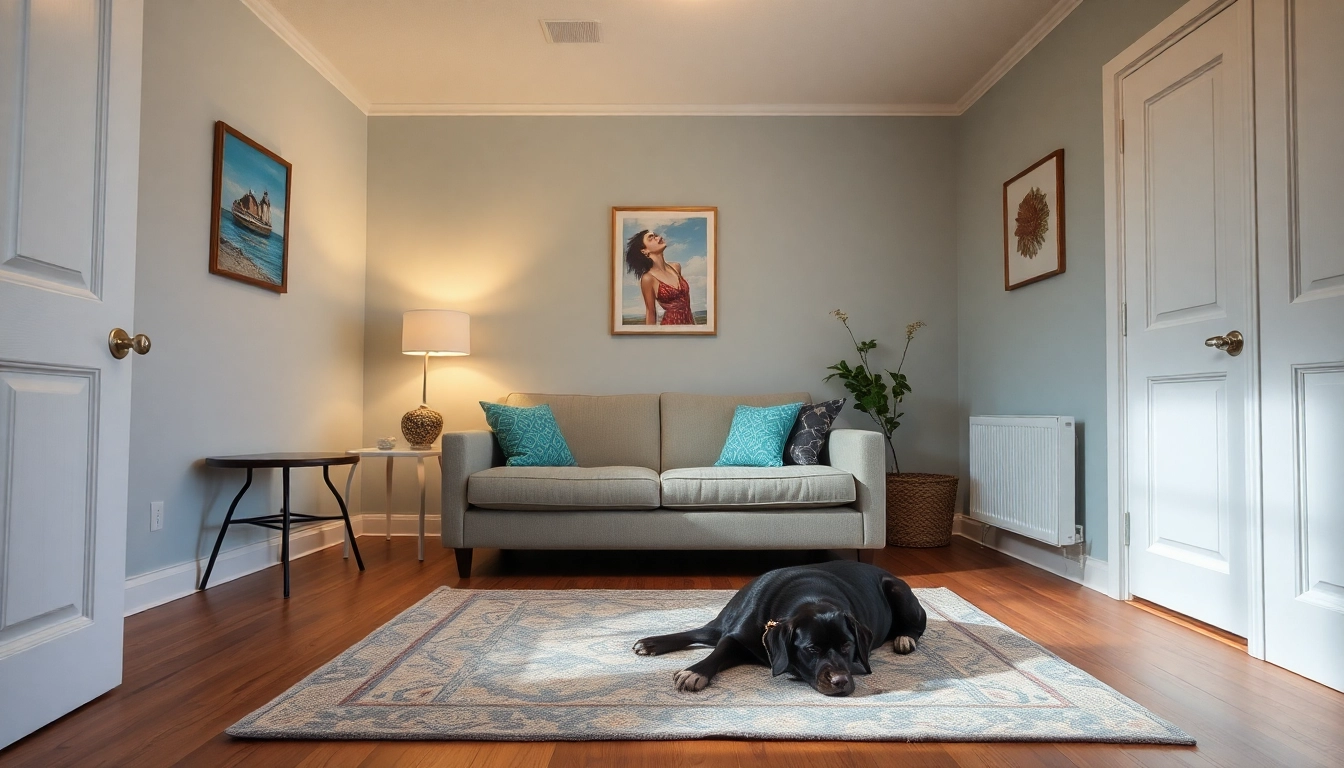
My name is Jacob, and I am a Clinical Psychologist based in Sydney. With extensive experience across diverse backgrounds, I am passionate about helping individuals navigate their mental health challenges. The presence of my therapy dog, Wattle, enriches the therapeutic environment, providing comfort and facilitating open communication.
Wattle's ongoing training will soon enhance our offerings, allowing clients to benefit from the soothing presence of a therapy animal, thereby creating deeper emotional connections and safety during sessions.
Contact Us for Anxiety Treatment in Sydney Today
If you are seeking compassionate, effective anxiety treatment Sydney, Heart and Hound Psychology is committed to supporting your journey toward mental well-being. Reach out today to book an appointment or learn more about our services.
Located conveniently at WOTSO Pyrmont, 55 Pyrmont Bridge Road, Sydney, we are here to answer your questions, provide guidance, and help you take the first step toward a fulfilling and meaningful life.
If you have further inquiries or need assistance navigating the therapy process, please don't hesitate to contact us at [email protected] or call us at 0416 540 160.