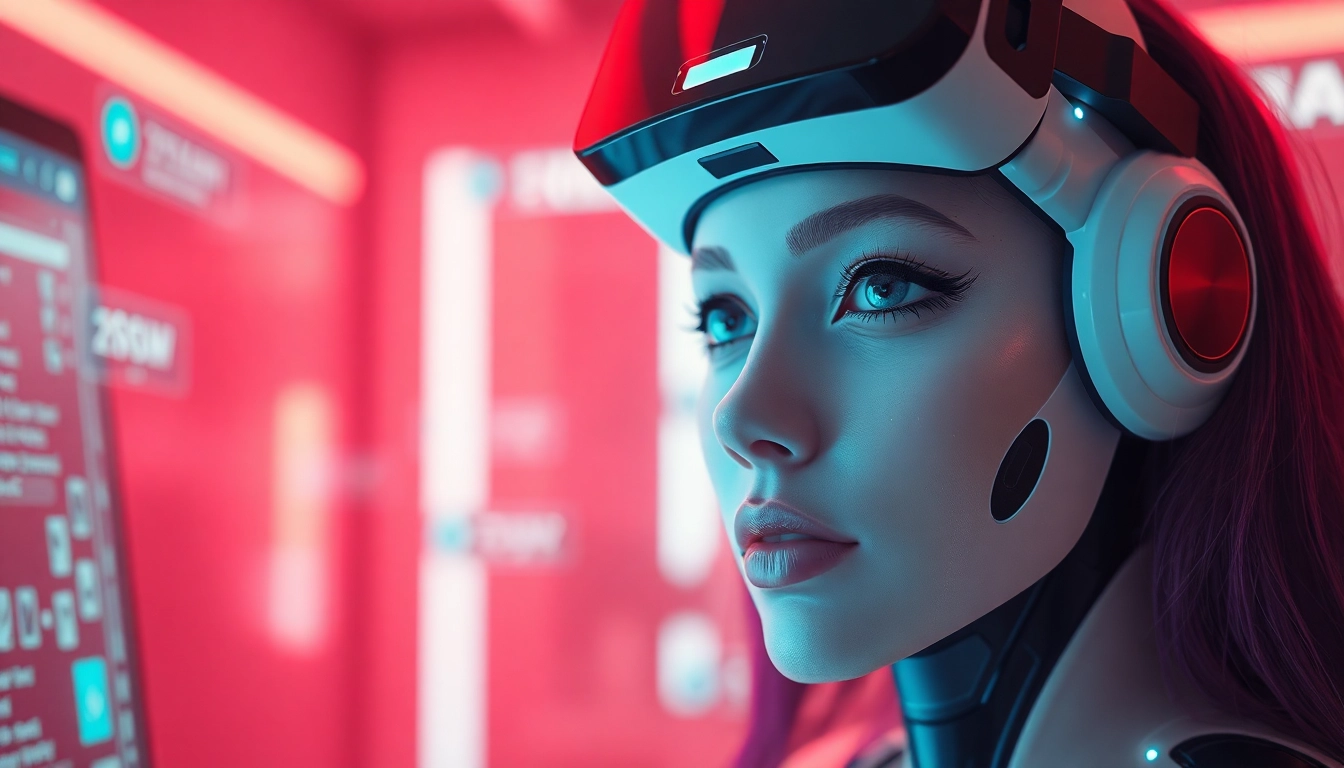
The Evolution of Sex AI: From Concept to Reality
As artificial intelligence (AI) technologies continue to advance, the intersection of AI and human relationships has sparked significant interest and dialogue. The term sex ai encompasses a vast array of applications, from virtual companions to sophisticated sexual health tools. Understanding the evolution of sex AI is crucial to appreciate its current capabilities and future potential.
1.1 Historical Context of AI in Relationships
The integration of technology into personal relationships dates back several decades, though the term "artificial intelligence" gained prominence in the mid-20th century with the development of the first algorithms. Over the years, film and literature have painted a futuristic picture of AI, often depicting robots that engage in human-like interactions. Reality began to materialize in the 21st century, marked by the introduction of chatbots and virtual assistants that could simulate human conversation and offer companionship.
1.2 Key Technology Developments Shaping Sex AI
Technology has played an integral role in the essence of sex AI. Innovations in machine learning, natural language processing, and even robotics have transformed how we understand sexual companionship. For instance, advances in emotional AI now enable systems to interpret and respond to human emotions, allowing for more nuanced interactions. Additionally, the emergence of virtual reality (VR) has created immersive experiences that allow users to explore erotic scenarios in a safe, controlled space.
1.3 Common Misconceptions About AI in Intimate Settings
Despite its growing presence, misconceptions about sex AI persist. Many believe that these technologies will replace human interaction; however, experts argue that AI is more likely to enhance rather than replace emotional and sexual connections. Moreover, privacy concerns also cloud the discourse, as users worry about data security and consent. Educational initiatives are crucial in demystifying these technologies and addressing common fears.
Navigating Ethical Dilemmas in Sex AI
As the capabilities of sex AI expand, so do the ethical dilemmas associated with its use. Navigating these challenges requires a comprehensive understanding of the implications for users and society at large.
2.1 Understanding Consent in Virtual Interactions
One of the most pressing issues surrounding sex AI is the concept of consent. In virtual environments, defining consent becomes complex, as users may interact with systems that simulate human responses. Discussions surrounding the ethical use of these technologies must ensure robust frameworks for consent, aiming to protect users from potential harm, exploitation, or emotional distress.
2.2 The Impact of Sex AI on Human Relationships
Sex AI has the potential to influence human relationships significantly. Some users find comfort in AI companions, especially in combating loneliness or exploring their sexuality without judgment. However, experts warn that reliance on AI for intimacy could lead to a detachment from real-world relationships and experiences. Balancing virtual companionship with genuine human connections is vital for mental and emotional well-being.
2.3 Regulatory Frameworks: Current and Future Considerations
The rapid development of sex AI has outpaced existing regulations. Policymakers are beginning to grapple with how to govern such technologies, balancing innovation with the need for ethical standards and user protection. Future regulations may need to address data privacy, user consent, and the ethical implications of AI as it relates to human intimacy.
Practical Applications of Sex AI for Users
Understanding the practical applications of sex AI can help users navigate its offerings effectively. From chatbots to VR experiences, the landscape is diverse and continually evolving.
3.1 How to Choose the Right Sex AI Tool for Your Needs
When selecting a sex AI tool, users should consider their specific needs and comfort levels. Factors such as functionality, user interface, and content safety are essential. Many platforms provide trial periods or user reviews that can guide choices effectively. Additionally, seeking out tools that prioritize user privacy and consent can create a safer experience.
3.2 Real-World Scenarios and User Experiences
Real-world applications of sex AI range widely. Some users report enhanced sexual experiences through VR environments that allow for exploration of fantasies, while others appreciate AI chatbots for companionship during lonely periods. These platforms often serve as safe spaces for users to explore their desires without the fear of judgment. Feedback from users consistently highlights the importance of engagement and empathy in their interactions with AI systems.
3.3 Enhancing Personal Relationships with AI Solutions
Many individuals and couples are leveraging AI tools to enhance their personal relationships. These may include communication apps designed to facilitate dialogue about intimacy or educational resources that provide insights into enhancing sexual well-being. When integrated thoughtfully, AI can act as a supplement to existing relationships, providing new avenues for exploration and growth.
Future Trends: What Lies Ahead for Sex AI
The future of sex AI looks promising, with numerous potential developments that can change the landscape of intimacy and companionship.
4.1 Predicting Technological Advancements by 2025
By 2025, we can expect significant advancements in the realism and interactivity of sex AI. Improvements in emotional recognition technology could allow AI systems to provide even more personalized experiences. Additionally, the integration of augmented reality (AR) may supplement virtual encounters, making them more immersive and engaging.
4.2 Shifting Cultural Attitudes Towards AI and Intimacy
As society becomes increasingly familiar with AI, cultural attitudes towards its role in intimacy are likely to evolve. Greater acceptance may lead to open discussions about the benefits and drawbacks of AI in personal relationships, paving the way for a more integrated approach to technology-assisted intimacy.
4.3 The Role of Sex AI in Mental Health and Well-being
Emerging research suggests that sex AI may have a role in promoting mental health. For those struggling with loneliness or intimacy issues, AI companions could provide valuable support. However, it is crucial to ensure these technologies are designed ethically, keeping user well-being forefront in the development process.
Expert Insights: Voices from the Sex AI Industry
To gain a deeper understanding of the evolving landscape of sex AI, insights from industry leaders and innovators offer a wealth of knowledge.
5.1 Interviews with Leading Innovators in AI Technology
Interviews with influential figures in the sex AI industry reveal diverse perspectives on current trends and future challenges. Innovators emphasize the importance of ethical design, user feedback, and ongoing education as technology continues to evolve.
5.2 Case Studies of Successful Sex AI Implementations
Numerous case studies highlight successful implementations of sex AI. For instance, platforms that have created AI-driven sexual health tools show promise in educating users and promoting safer practices. These examples serve as blueprints for future development and ethical considerations in the field.
5.3 Recommendations for Future Research and Development
Experts call for further research into the psychological impacts of using sex AI, suggesting that a multidisciplinary approach may yield the most beneficial insights. Additionally, recommendations include developing regulatory frameworks that prioritize user safety and robust ethical standards as the industry continues to grow.