Understanding LVP Flooring and Its Benefits
What is LVP Flooring?
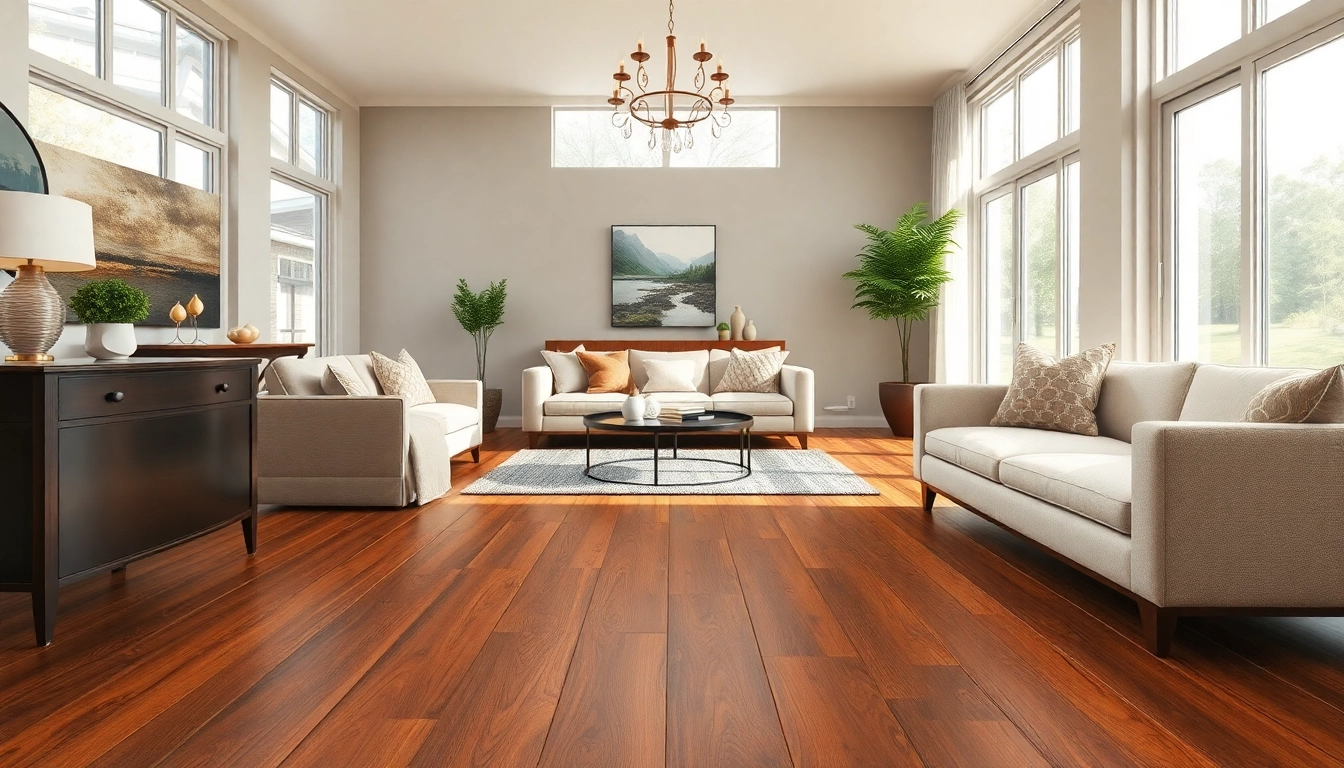
Luxury Vinyl Plank (LVP) flooring is designed to replicate the look of hardwood while providing lasting durability and ease of maintenance. Made from high-quality vinyl, LVP is a popular choice for homeowners looking for both aesthetic appeal and functional flooring solutions. It’s composed of multiple layers that enhance its resilience, including a protective top coat, a printed design layer, and a solid backing layer. This combination not only makes LVP visually appealing but also resistant to scratches, stains, and moisture, making it suitable for various rooms in your home, including high-traffic areas.
Key Advantages of LVP Flooring
One of the main advantages of LVP flooring is its versatility. Available in various colors, designs, and finishes, it can seamlessly match any interior décor, be it modern or traditional. Furthermore, LVP is significantly more affordable than natural hardwood, making it an attractive choice for budget-conscious homeowners. Its water-resistant properties make it an excellent option for kitchens and bathrooms, environments where moisture exposure is common. Additionally, LVP’s softer surface provides comfort underfoot and reduces noise levels, which can be particularly beneficial in multi-level homes.
Why Choose LVP Floors Over Other Options?
Compared to other flooring solutions like laminate or tile, LVP flooring boasts several key benefits. Unlike laminate, which can warp when exposed to moisture, LVP remains dimensionally stable and retains its quality over time. While traditional tiles can be cold and hard underfoot, LVP offers warmth and cushioning, adding to the comfort of your home. Choosing LVP flooring can also simplify installation; many options come with a click-lock design allowing for easier DIY installation without the need for additional adhesives.
Finding LVP Flooring Near Me: A Step-by-Step Guide
Researching Local Retailers
The first step to finding LVP flooring is to research local retailers that carry this type of flooring. Start by searching online for stores in your area that offer flooring solutions, focusing on those that have a diverse selection of LVP options. Don’t forget to check customer reviews and ratings, as they can provide insight into the quality of both the products and the service you can expect. Websites, social media platforms, and even local directories can be instrumental in identifying the most reputable flooring companies near you.
Comparing Prices and Quality
Once you have a list of potential retailers, comparing prices and quality becomes essential. Look for promotions or discounts, but beware of pricing that seems too good to be true, as this may indicate lower quality products. Consider the specifications of the LVP—thickness, wear layer, and warranty—as these factors greatly influence durability and performance. Creating a spreadsheet to document your findings can help you visualize your options and make informed decisions easier.
Visiting Showrooms and Samples
After narrowing down your choices, visiting local showrooms allows you to see, feel, and experience the flooring firsthand. Observing samples in person can significantly impact your decision-making process, as lighting and surrounding decor can alter how a floor looks. Don’t hesitate to request samples to take home; this will enable you to evaluate how the flooring complements your existing interior. Engaging with knowledgeable staff can also provide you with valuable insights and recommendations tailored to your specific needs.
Installation Process of LVP Flooring
Preparing Your Space
Before installing LVP flooring, proper preparation is crucial to ensure a successful project. Start by clearing the area of all furniture, rugs, and any other obstructions. It’s vital to clean the subfloor thoroughly to eliminate dust and debris; this ensures a smooth installation process. Assess the condition of the subfloor—make any necessary repairs or leveling adjustments. Additionally, acclimating the planks in the room where they will be installed for at least 48 hours can help them adjust to the temperature and humidity, reducing the risk of expansion or contraction after installation.
Understanding Installation Methods
LVP flooring typically offers three main installation methods: glue-down, click-lock, and loose lay. The glue-down method involves adhering each plank to the subfloor using glue, providing a permanent installation—ideal for high-traffic areas. Click-lock planks feature an interlocking design allowing for easy installation without adhesives, making it suitable for DIY projects. Lastly, loose lay involves simply placing the planks on the floor without any fasteners; this method is often used for temporary applications or rental properties. Understanding the pros and cons of each method can help you choose the best fit for your home renovation.
Common Mistakes to Avoid
Even the most skilled DIY enthusiasts can make mistakes during installation. One common issue is not allowing the flooring to acclimate, leading to potential warping or buckling. Another is overlooking the need for moisture barriers, especially in areas prone to humidity. Ensure you measure carefully to avoid unplanned cuts or waste. Additionally, use a proper underlayment as dictated by the flooring manufacturer to enhance stability and comfort while minimizing noise. Lastly, take your time during the installation process; rushing can lead to mistakes that may be difficult to correct.
Maintenance Tips for LVP Flooring
Daily Care and Cleaning
Maintaining LVP flooring is one of the reasons homeowners love it; its low maintenance requirements are a significant upside. For daily care, a simple routine of sweeping or vacuuming to remove debris and dust will help maintain the floor’s appearance. For deeper cleaning, a damp mop with a mild floor cleaner designed for vinyl can effectively eliminate grime without damaging the surface. It’s important to avoid harsh chemicals or abrasive cleaners that can scratch or dull the finish.
Long-term Maintenance Strategies
To extend the lifespan of your LVP flooring, consider using area rugs in high-traffic zones to protect the planks from wear and tear. Add felt pads under furniture legs to avoid scratches and dents, and be mindful of moving heavy items across the floor, as this can also cause damage. Implementing a seasonal cleaning routine that includes assessing for any moisture issues or damage will help you catch problems before they escalate.
Identifying and Repairing Damage
If your LVP flooring does incur damage, it is essential to address it promptly. Minor scratches can often be buffed out using a vinyl repair kit, while deeper gouges may require replacing the affected plank. Many LVP options feature a click-lock system, making it possible to remove and replace single planks without impacting the surrounding floor. If you notice buckling or warping, this may indicate moisture issues, and addressing the source of moisture is vital in preventing future damage.
Frequently Asked Questions About LVP Flooring
What is the lifespan of LVP flooring?
LVP flooring typically lasts 10 to 20 years with proper care, depending on usage and maintenance.
Is LVP flooring water-resistant?
Yes, LVP flooring is designed to be water-resistant, making it suitable for kitchens and bathrooms.
Can I install LVP flooring myself?
Yes, LVP flooring has DIY-friendly options, but professional installation ensures optimal results.
How does LVP flooring compare to hardwood?
LVP offers the look of hardwood at a lower cost, with improved durability and easier maintenance.
Where can I find LVP flooring near me?
Check local home improvement stores, flooring specialty shops, or explore online retailers for options.
The Value of Choosing the Right LVP Flooring
Investing in the right LVP flooring can transform your living spaces into areas of comfort and style. By understanding the nuances of LVP products, taking time to research local options, and adhering to a well-planned installation and maintenance routine, you can maximize the benefits this flooring type offers. Finding quality lvp flooring near me is just the beginning; it’s how you care for it that will determine its longevity and beauty in your home.