
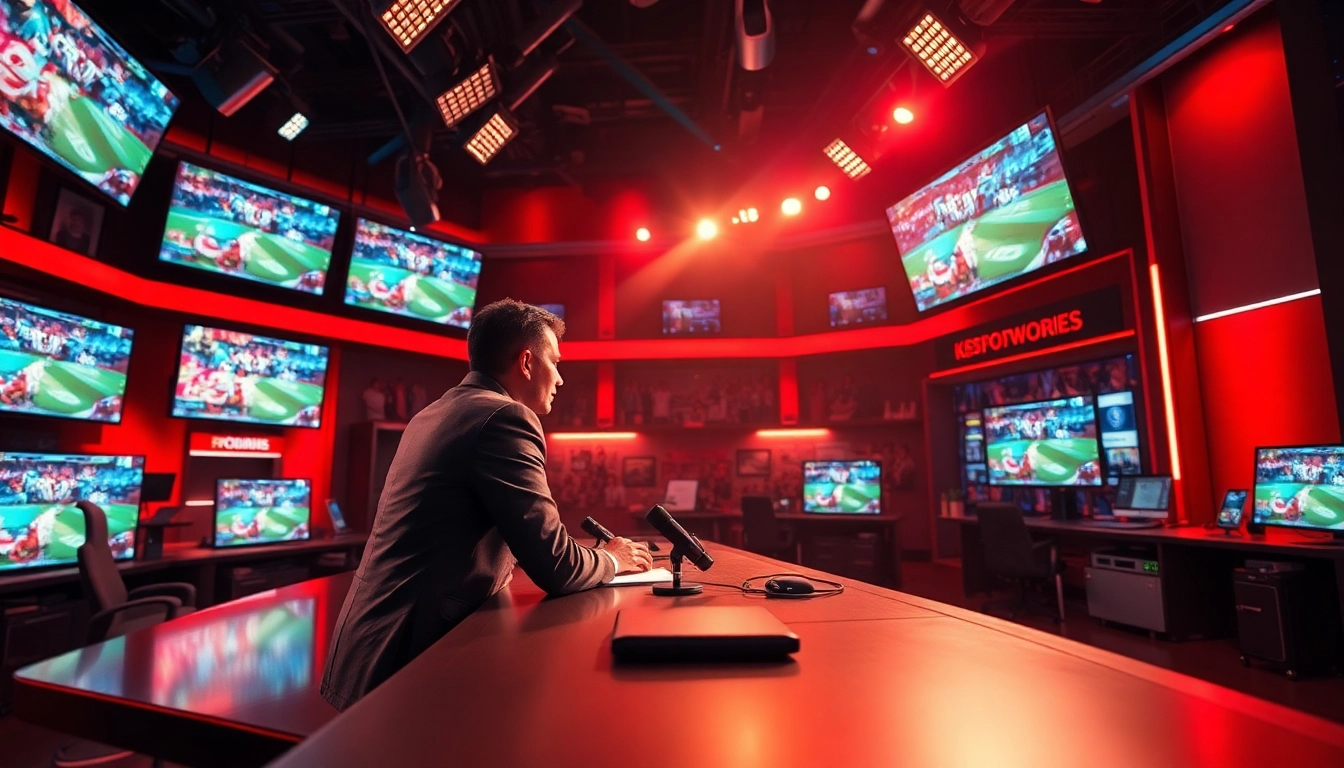
The Evolution of Sports Broadcasting
History of Sports Broadcasting
Sports broadcasting has undergone significant transformations since its inception. The journey began in the early 20th century when radio became the primary medium for providing live commentary on sports events. The first major broadcast occurred in 1921 when a boxing match was aired from a local club. This groundbreaking event laid the foundation for the boom in sports programming that followed.
As technology advanced, television entered the scene in the 1950s, revolutionizing how fans consumed sports. Iconic events like the World Series and the Super Bowl became household spectacles, drawing millions of viewers. The rise of cable television in the 1980s further propelled sports broadcasting, allowing dedicated networks to cater to passionate audiences. Today, sports broadcasting encompasses various platforms, from traditional cable to streaming services, enabling fans to experience their favorite sports anytime and anywhere. To explore how sports broadcasting shapes the fan experience and industry trends, check out Sports Broadcasting.
Technological Advances in Sports Broadcasting
Technological innovations have had a profound impact on sports broadcasting, enhancing viewer experiences and broadening engagement opportunities. High-definition (HD) and 4K ultra HD technology have significantly improved visual quality, allowing fans to see every detail of the action. Meanwhile, advancements in sound technology provide richer audio experiences that immerse viewers in the atmosphere of live sports events.
The introduction of instant replay and multiple camera angles has transformed how audiences follow plays, allowing for in-depth analyses of key moments. Furthermore, innovations like augmented reality (AR) and virtual reality (VR) promise to redefine the viewing experience, offering viewers interactive options that bring them closer to the action and the athletes they admire.
The Role of Social Media in Sports Broadcasting
Social media plays a critical role in today’s sports broadcasting landscape. Platforms like Twitter, Instagram, and Facebook have become essential tools for broadcasters, networks, and teams to connect with fans. Live-tweeting games, posting highlights, and engaging with viewer commentary helps expand the conversation beyond traditional broadcasts.
Moreover, the integration of live-streaming on social media platforms allows fans to catch games they may not have access to through conventional television broadcasts. This shift fosters greater inclusivity and engagement within the sports community, encouraging real-time interaction and fostering a sense of belonging among viewers and fans alike.
Understanding the Audience in Sports Broadcasting
Demographics of Sports Broadcasting Viewers
Understanding the demographics of sports broadcasting viewers is crucial for creating compelling content. Sports enthusiasts come from various backgrounds, with age, gender, and geographic location influencing viewing preferences. Research shows that while traditional sports like football and baseball tend to attract a wider audience, niche sports such as soccer and esports engage younger, more diverse populations.
Additionally, the rise of online streaming has shifted demographic trends, with younger viewers opting for on-demand content. This shift presents opportunities for broadcasters to explore tailored marketing strategies that resonate with specific audience segments, optimizing engagement and loyalty across different demographics.
Engagement Strategies in Sports Broadcasting
Effective engagement strategies are instrumental in building a loyal viewer base in sports broadcasting. Broadcasters can leverage interactive technologies to enhance the viewing experience. For instance, utilizing real-time polls during live games allows fans to express their opinions while engaging with the broadcast.
Furthermore, developing content that resonates with the audience’s passions and interests can increase engagement. Integrating behind-the-scenes stories, athlete interviews, and expert analyses into sports broadcasts creates a multidimensional experience that captivates viewers and encourages them to return for more.
Moderating Viewer Interactions during Live Events
Live events offer unique challenges when it comes to moderating viewer interactions. As social media becomes a hub for live commentary, broadcasters must balance fostering genuine interactions and managing negative behaviors or misinformation. Implementing moderation tools and guidelines helps maintain a positive environment throughout broadcasts.
Additionally, connecting with viewers during live events through moderated chat features or live Q&A sessions can amplify viewer involvement, allowing fans to participate actively without detracting from the overall experience.
Key Components of Effective Sports Broadcasting
Choosing the Right Talent for Sports Broadcasting
The talent who presents sports broadcasts plays a significant role in shaping how audiences perceive the events. Selecting commentators, analysts, and hosts who possess in-depth knowledge, charisma, and the ability to connect with audiences is vital for an impactful broadcast. Talented individuals can elevate the narrative of the game, offering insights that resonate with both casual fans and die-hard enthusiasts.
Moreover, diversity among broadcasting talent can help reach wider audiences and foster inclusivity, reflecting the demographics of the fans watching the events. Broadcasters should prioritize talent that can engage and reflect the cultures and interests of their audiences.
Production Quality in Sports Broadcasting
High production quality is a hallmark of successful sports broadcasting. This encompasses everything from camera work to graphics and audio quality. Impressively choreographed camera angles and cutting-edge graphics can enhance storytelling and keep viewers engaged throughout the broadcast. Ensuring sound quality captures the ambiance of the game—chants of the crowd, the whistle of referees, and the sounds of athletic competition—is equally essential.
Investing in top-notch production equipment, along with continuous staff training, positions broadcasters to deliver superior content that captivates audiences and elevates their overall experience.
Legal and Ethical Considerations in Sports Broadcasting
Sports broadcasting operates within a framework of legal and ethical considerations that broadcasters must navigate carefully. This includes copyright laws, licensing agreements, and broadcasting rights. Understanding these legalities is crucial to avoid litigation and maintain good relationships with sports leagues and governing bodies.
Additionally, ethical considerations regarding reporting standards, audience representation, and the promotion of inclusivity must be prioritized. Broadcasters should remain transparent in their dealings and committed to offering fair and respectful coverage of all sports and athletes.
Emerging Trends in Sports Broadcasting
Growth of Streaming Platforms in Sports Broadcasting
The proliferation of streaming platforms has revolutionized sports broadcasting. Fans increasingly prefer on-demand access, enabling them to watch events at their convenience. This trend has led to broadcasters investing heavily in developing proprietary streaming services or partnering with existing platforms.
Streaming services not only broaden viewership but also allow broadcasters to target niche markets, as subscriptions can be tailored to specific sports or leagues, creating a more personal connection between the fan and the content. This flexibility supports viewing habits, contributing to a more engaged audience.
The Impact of eSports on Traditional Sports Broadcasting
As eSports continues to gain traction, it poses unique challenges and opportunities for traditional sports broadcasting. The demographic of eSports fans often skews younger, presenting a chance for broadcasters to attract a new generation of viewers. Innovative formats, including live gameplay commentary and fan engagement strategies, can keep audiences interested and invested.
This trend encourages traditional sports to adapt and explore how to integrate gaming elements into broadcasts to cater to this emerging audience, creating hybrid sports broadcasting experiences that resonate across both gaming and traditional sports realms.
Virtual Reality and Enhanced Viewing Experience
Virtual reality (VR) is set to redefine sports broadcasting by offering viewers an immersive experience. With VR technology, fans can feel like they are part of the action, sitting virtually in the stadium. This innovative approach can transform how sports are experienced, bringing fans closer to their favorite teams and athletes than ever before.
The potential of VR does not end with mere viewing—interactive experiences such as virtual meet-and-greets with athletes or strategic gameplay analyses can enhance fan engagement. As technology advances and more accessible options emerge, broadcasters must keep pace to create compelling strategies that leverage these immersive technologies.
Measuring Success in Sports Broadcasting
Key Performance Indicators in Sports Broadcasting
Measuring success in sports broadcasting involves analyzing a variety of key performance indicators (KPIs). Metrics such as viewership numbers, audience retention rates, and engagement levels help broadcasters understand what content resonates with viewers. Tracking these KPIs enables organizations to refine their strategies and focus on what drives viewer engagement.
Additionally, revenue metrics, including ad sales and subscription numbers, are essential to gauge the financial success of broadcasts. Balancing audience satisfaction and profitability is key for sustaining effective sports broadcasting operations.
Audience Feedback and Ratings
Gathering audience feedback offers invaluable insights into how broadcasts are perceived. Surveys, social media sentiment analysis, and direct viewer reviews provide data on viewer preferences and the effectiveness of content. High ratings signal successful programming, allowing broadcasters to maintain or adjust their offerings based on audience expectations.
Continuous engagement through feedback mechanisms fosters a two-way dialogue, empowering fans to contribute to the evolving landscape of sports broadcasting.
Adjusting Strategies Based on Audience Data
In an increasingly competitive environment, adapting broadcasting strategies based on audience data is critical. Data analytics can inform decisions on content creation, schedules, and marketing strategies. By analyzing viewing habits and audience preferences, broadcasters can focus on delivering more relevant content, which in turn drives engagement and loyalty.
Additionally, predictive modeling can identify trends, enabling organizations to be proactive rather than reactive, staying ahead of audience demands while optimizing broadcast performance.
Frequently Asked Questions
What is sports broadcasting?
Sports broadcasting refers to the transmission of live or recorded sports events to audiences through various mediums, including television, radio, and online platforms.
How has technology changed sports broadcasting?
Technology has improved visual and audio quality, introduced instant replays, and facilitated audience engagement through social media and interactive features.
What are the key demographics of sports broadcasters’ audiences?
Key demographics include age, gender, and geographic location, all influencing preferences for specific sports and how they consume content.
Why is engagement important in sports broadcasting?
Engagement drives viewer loyalty, encourages feedback, and enhances the viewing experience, ultimately impacting ratings and revenue.
What challenges do broadcasters face in moderating viewer interactions?
Broadcasters must manage negative behavior and misinformation while promoting positive interactions, which requires effective moderation strategies.