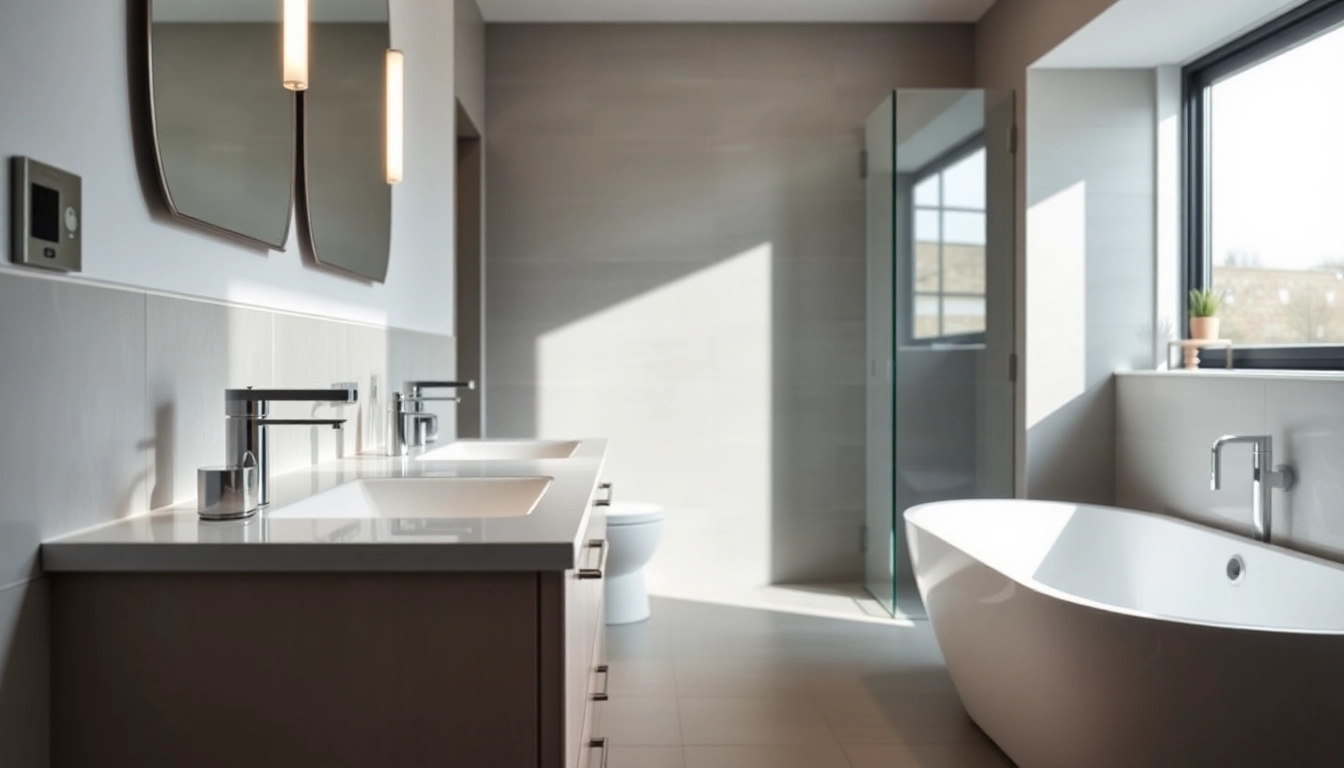
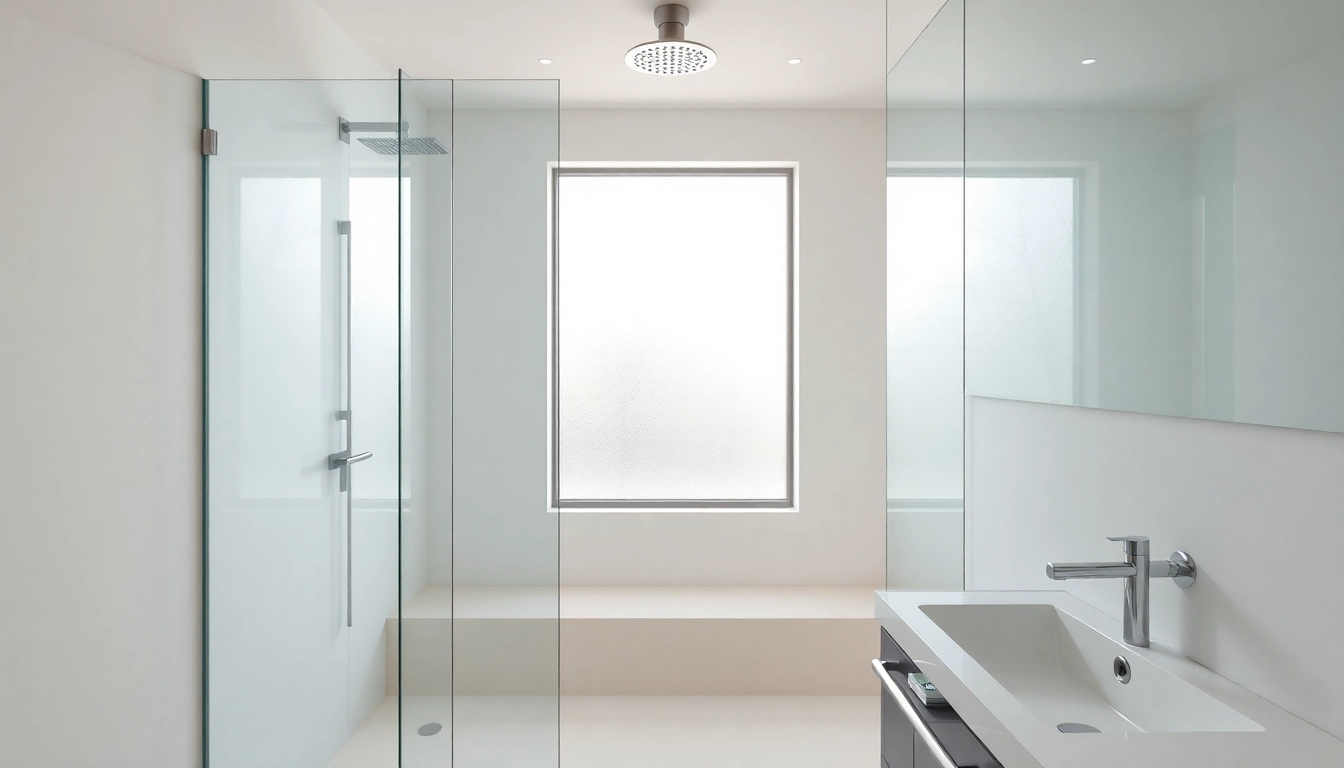
Introduction to Shower Screens for Walk in Showers
Creating a luxurious and functional bathroom space involves careful consideration of design elements, one of which is the choice of shower enclosures. Among the various options available, shower screens for walk in showers have gained substantial popularity due to their stylish appeal and efficient performance. This article delves into the various aspects of shower screens, discussing their benefits, types, installation guidelines, maintenance tips, and common queries surrounding them.
What Are Shower Screens?
Shower screens are partitions that enclose shower areas, providing both privacy and a splash barrier. Instead of standard shower curtains, these screens utilize solid materials, usually glass, to efficiently hold water within the shower space. They are available in a variety of designs, including fixed panels, sliding doors, bifold systems, and frameless styles, catering to diverse bathroom aesthetics and functional requirements.
Benefits of Using Shower Screens for Walk in Showers
Choosing shower screens for walk in showers offers numerous benefits:
- Enhanced Aesthetics: Shower screens provide a modern, clean look that elevates the overall appearance of the bathroom.
- Improved Water Containment: They effectively minimize water splashing outside the shower area, keeping bathrooms dry and reducing cleaning efforts.
- Safety Features: Most shower screens are made of toughened glass, ensuring durability and safety in case of accidental impacts.
- Easy Maintenance: Unlike fabric curtains that can harbor mold and mildew, glass screens are easy to clean, promoting hygiene.
- Versatile Design Options: Available in various styles, sizes, and finishes, shower screens can be tailored to fit any bathroom layout and style.
Key Design Considerations
When selecting shower screens for walk in showers, several design considerations should be taken into account:
- Space Availability: Measure the available space to ensure that the selected shower screen fits well without overcrowding the bathroom.
- Style Compatibility: Choose a design that complements existing fixtures and the overall theme of your bathroom.
- Accessibility: Consider the ease of entry and exit, especially for family members or guests with mobility challenges.
- Glass Thickness: Opt for thicker glass panels for enhanced safety and durability, typically recommended at 8mm or greater.
- Hardware Quality: Ensure that the materials used for hinges and handles are of high quality to withstand frequent use.
Types of Shower Screens for Walk in Showers
There are numerous types of shower screens that can be incorporated into walk-in shower designs, each with distinct features and benefits. Below are some of the most popular options:
Frameless Glass Screens
Frameless glass screens offer a sleek and contemporary look, enhancing the aesthetics of any bathroom. Constructed from thick tempered glass, they are designed to be robust while providing an unobstructed view of the entire shower area. Their minimalistic design makes them ideal for modern styling, giving the illusion of more space.
Bi-Fold Shower Doors
Bi-fold shower doors are perfect for tight spaces where swing doors might not be feasible. This design allows the door to fold inwards, maximizing the entryway without consuming extra space. They combine functionality with style, making them a great choice for walk-in showers in compact bathrooms.
Sliding Shower Panels
Sliding shower panels are another excellent option, particularly for larger walk-in showers. With a glide mechanism, these panels slide along a track, allowing for easy access without needing additional space to swing open. They are available in various designs, from fully framed to semi-framed and frameless glass options.
Installation Guidelines for Shower Screens
Installing shower screens requires careful preparation and execution to ensure a secure and lasting fit. Here’s a step-by-step guide to help you through the installation process:
Preparation Steps Before Installation
- Measure the Area: Take accurate measurements of the shower space, including height, width, and any angles or recesses.
- Gather Necessary Tools: Have all required tools at hand, including a drill, level, measuring tape, and silicone sealant.
- Read Manufacturer Instructions: Familiarize yourself with the manufacturer’s installation guide for specific details related to your shower screen model.
Tools Needed for a Successful Installation
- Drill and drill bits
- Measuring tape
- Level
- Screwdriver
- Silicone sealant
- Glass cleaning solution
- Protective gloves (for safety)
Common Installation Mistakes to Avoid
Proper installation is crucial to the performance and longevity of shower screens. Here are some common mistakes to avoid:
- Poor Measurements: Inaccurate measurements can result in ill-fitted screens that don’t seal properly, leading to leaks.
- Incorrect Sealant Application: Failing to apply sealant properly can create gaps, making the screen susceptible to water damage.
- Neglecting Leveling: If the screen isn’t leveled correctly, it may not function smoothly, leading to operational issues in sliding or folding mechanisms.
- Insecure Attachments: Ensure that screws and fixtures are securely tightened to prevent the screen from loosening over time.
Maintaining Your Shower Screens for Walk in Showers
To preserve the functionality and appearance of shower screens for walk in showers, regular maintenance is essential. Follow these guidelines:
Cleaning Tips for Sparkling Screens
Keeping your shower screens clean not only enhances their appearance but also discourages the buildup of soap scum and grime. Here are some effective cleaning tips:
- Daily Wipes: After each shower, use a squeegee or a microfiber cloth to wipe away water, preventing stains and mineral deposits.
- Use Appropriate Cleaners: Opt for non-abrasive cleaners or natural solutions like vinegar and baking soda to avoid damaging the glass.
- Regular Deep Cleans: Schedule a thorough cleaning session every month to tackle tough stains and maintain clarity.
Regular Maintenance Checks
Perform regular checks on the following aspects to ensure the continued safety and performance of your shower screens:
- Inspect Seals: Look for cracks or deterioration in the sealant, as aging seals can lead to water leaks.
- Check Hardware: Examine the hinges and handles for any signs of wear or looseness, tightening as necessary.
- Glass Condition: Regularly inspect for visible damages like cracks or chips that could jeopardize safety.
Dealing with Hard Water Spots
If your shower screens are prone to hard water stains, consider these methods to remove them:
- Vinegar Solution: Mix equal parts of vinegar and water in a spray bottle and apply to affected areas; let it sit before rinsing.
- Baking Soda Paste: Create a paste with water and baking soda, apply to spots, and scrub gently to remove buildup.
- Commercial Cleaners: Use purpose-made hard water stain removers for effective results, following the manufacturer’s instructions.
Frequently Asked Questions About Shower Screens
What materials are shower screens made from?
Shower screens can be made from various types of glass, including tempered glass for safety and durability, ensuring they can withstand daily use.
Are shower screens easy to clean?
Yes, shower screens are relatively easy to clean, especially when using appropriate cleaning solutions and tools, preventing buildup and maintaining clarity.
How do I choose the right size for my shower screen?
Measure the dimensions of your shower area accurately and consider the style of screen that complements your design needs while fitting perfectly.
Can shower screens reduce water splashing?
Yes, they effectively contain water within the shower area, minimizing splashing and keeping your bathroom dry, enhancing functionality.
What styles are popular for walk in shower screens?
Frameless designs are highly favored for their sleek appearance, while sliding and bi-fold options offer versatility and practicality for different spaces.